
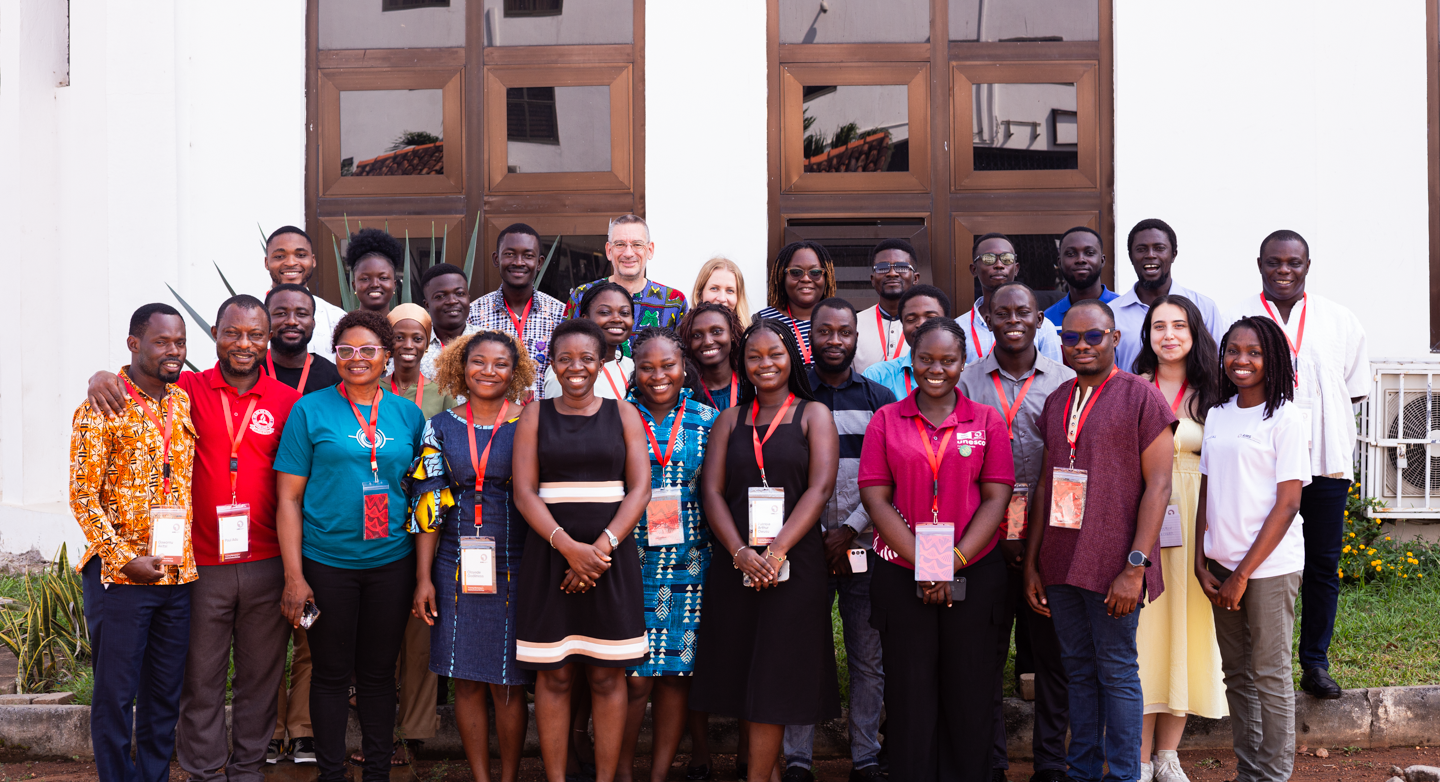
The African Institute for Mathematical Sciences (AIMS) Ghana brought together 30 researchers from the mathematical and experimental life sciences for its 2026 interdisciplinary workshop, aimed at strengthening collaboration and equipping researchers with mathematical tools to address complex biological and health challenges.
Held from 19 to 23 October 2026 at the University of Ghana, the workshop provided a platform for researchers from diverse fields, including biochemistry, biomedical data science, public health and biostatistics, to exchange knowledge, explore common research interests and develop potential collaborations.
The annual initiative responds to the limited opportunities for interaction between researchers in the experimental life sciences and mathematical sciences in Ghana, despite the potential of combining expertise from both disciplines to advance scientific understanding and address pressing health and biological questions.
The workshop was supported by the Alexander von Humboldt Foundation through Prof. Nick Monk, German Research Chair at AIMS Ghana. Additional support from the German Academic Exchange Service (DAAD), through a Research Cooperation Award, facilitated coordinated research visits by researchers from the University of Bonn, Germany, strategically aligned with the workshop.
Throughout the workshop, participants explored how biological systems can be translated into mathematical models for simulation and analysis. They were introduced to developing conceptual representations of biological systems and translating these into Python notebooks to investigate their behaviour and dynamics.
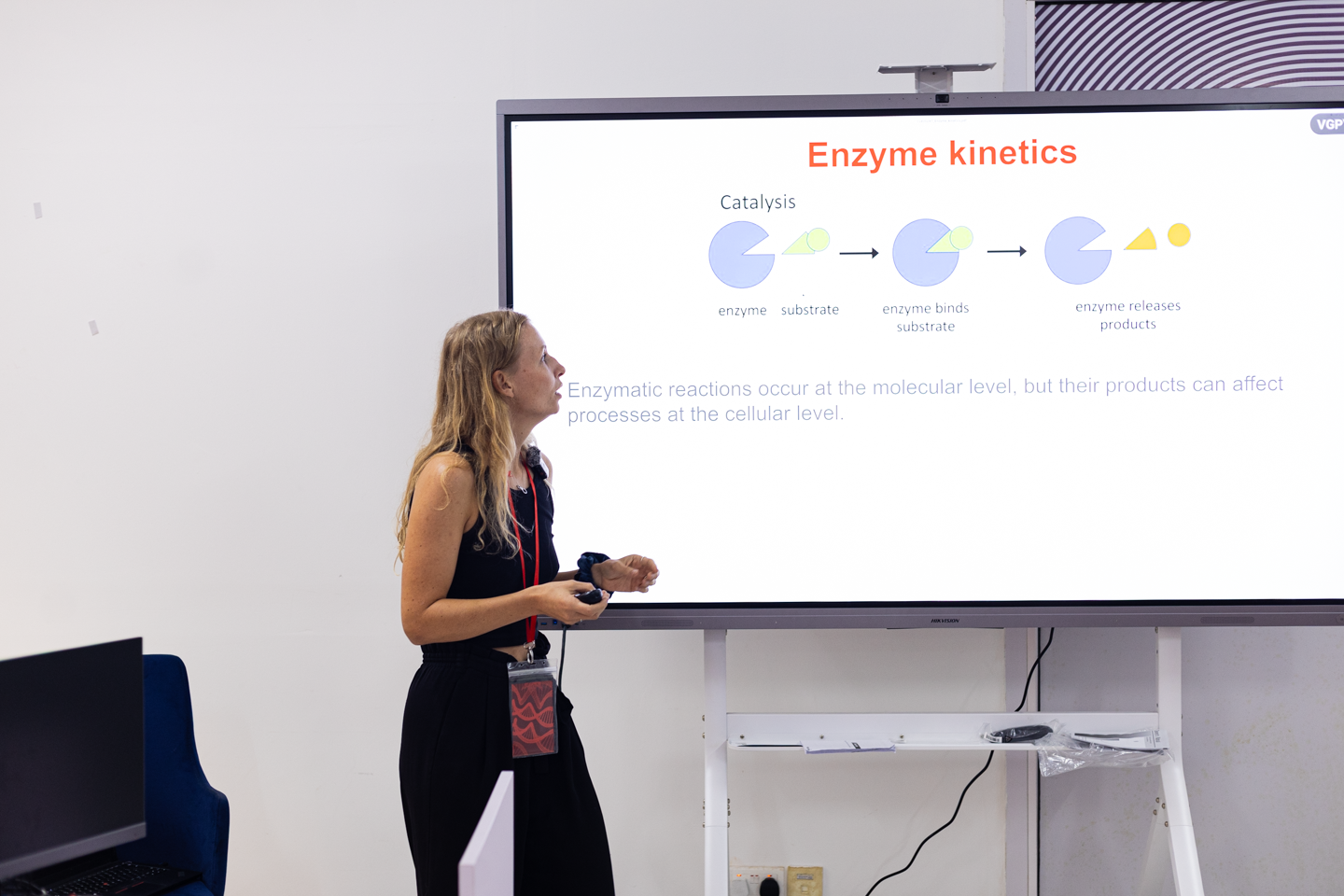
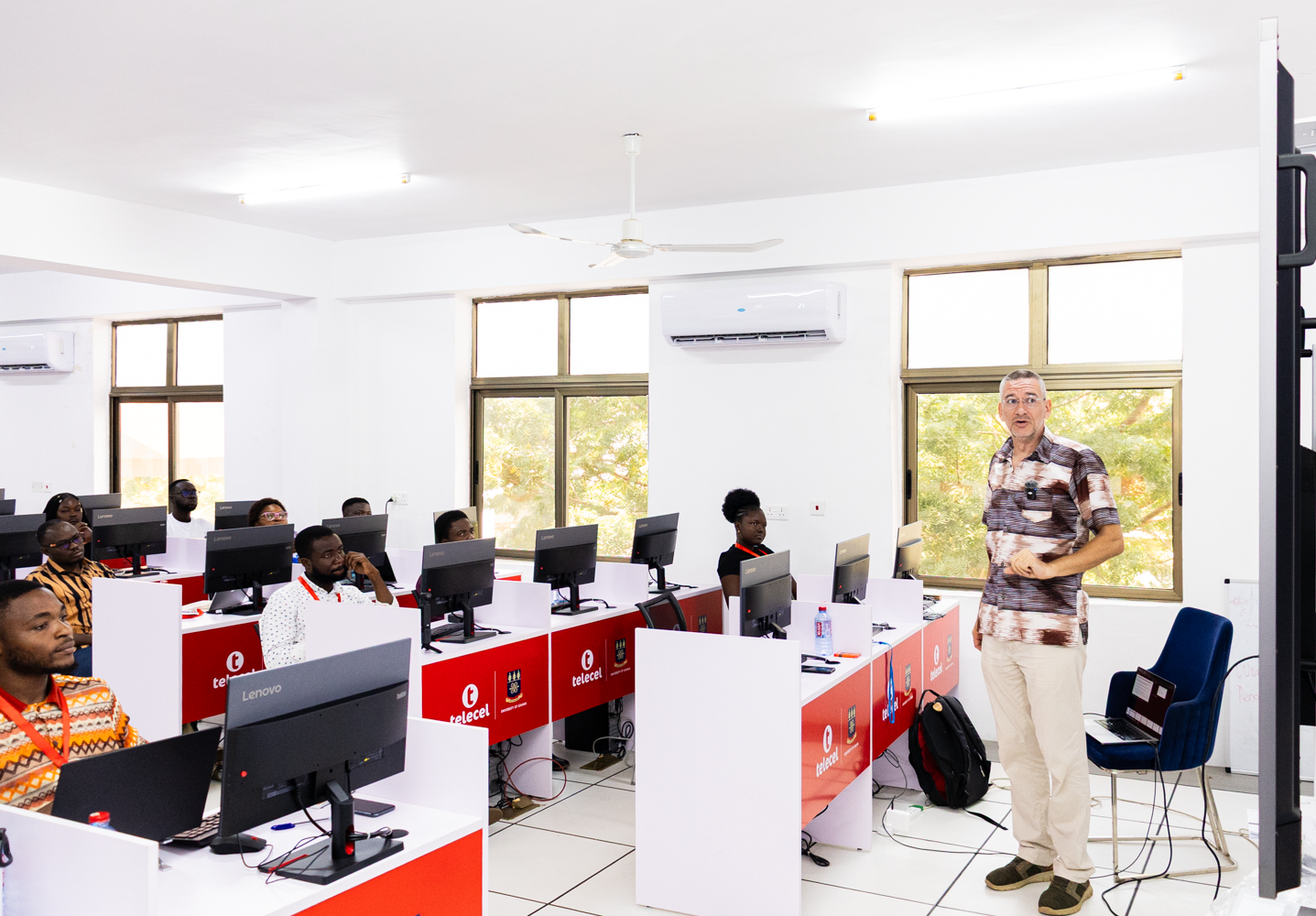
The training covered epidemiological modelling, with sessions examining both stochastic and deterministic approaches, before progressing to immunology. Through practical exercises focused on immune system dynamics, participants developed and analysed mathematical models to better understand immunological processes using Python.
Further enriching the programme were seminars delivered by three of the workshop organisers, which introduced participants to different approaches to modelling biological systems. In the final phase, participants worked in groups on practical research projects, applying the concepts and computational tools acquired during the training. Each group presented its findings, demonstrating how mathematical modelling can provide valuable insights into biological research questions.
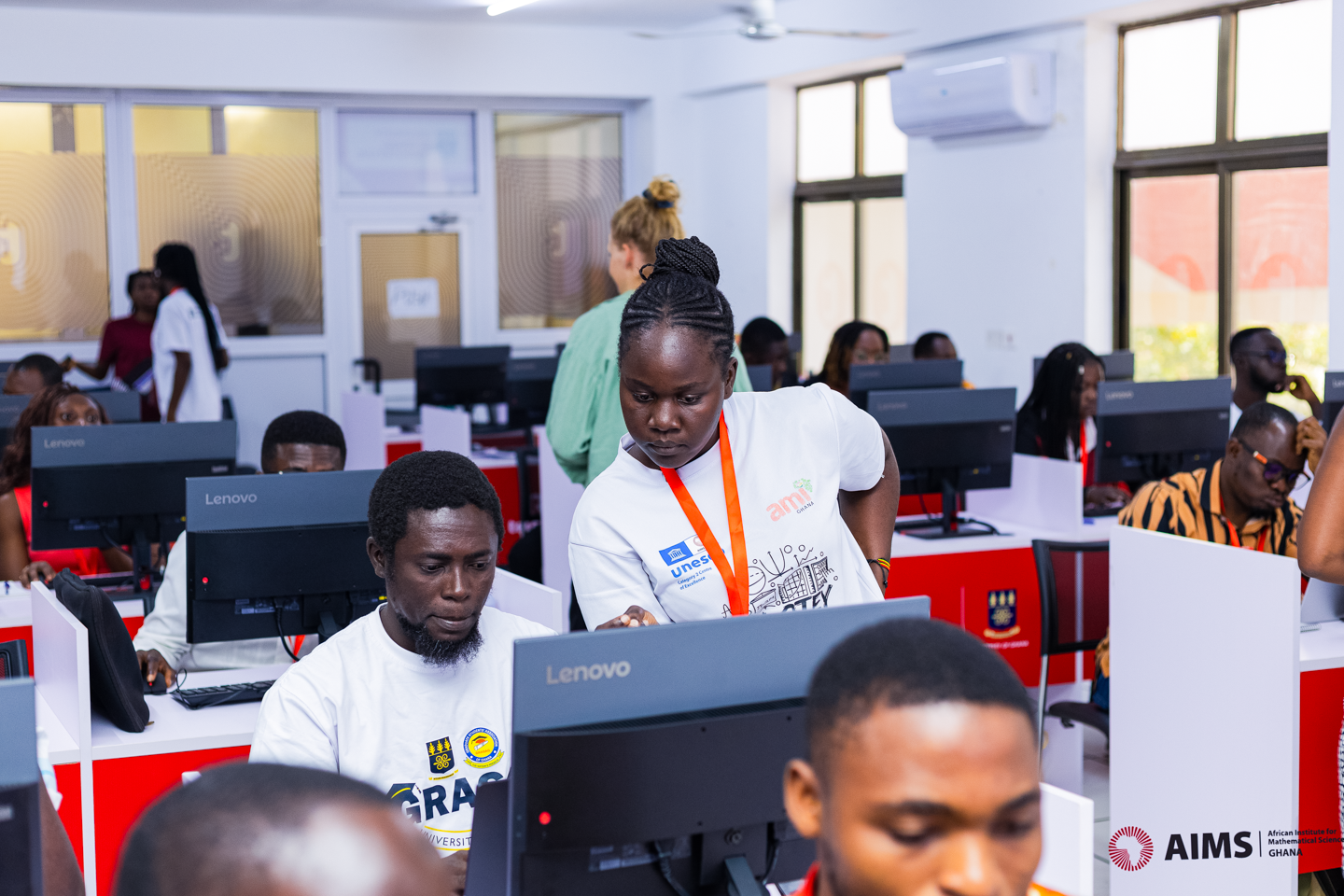
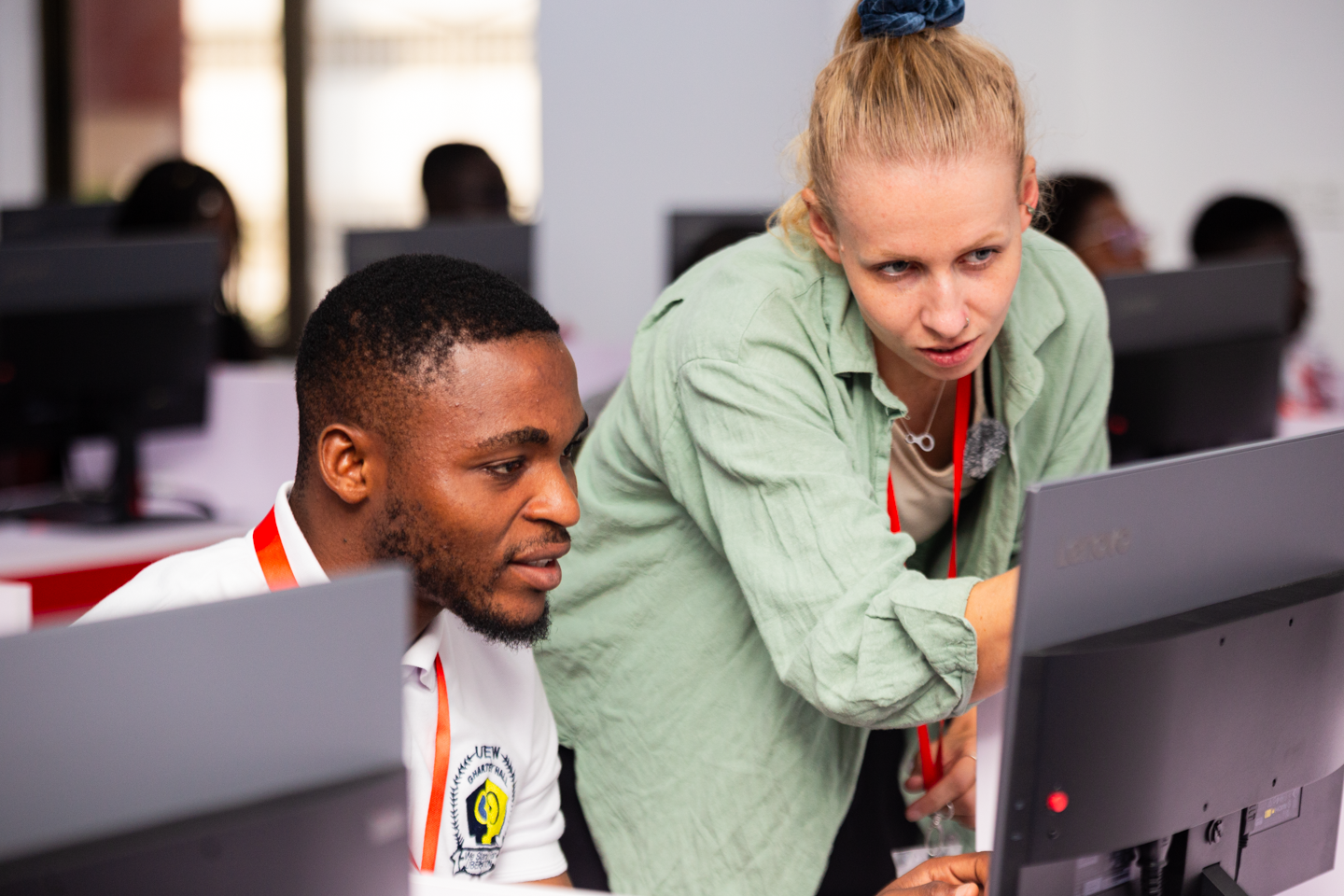
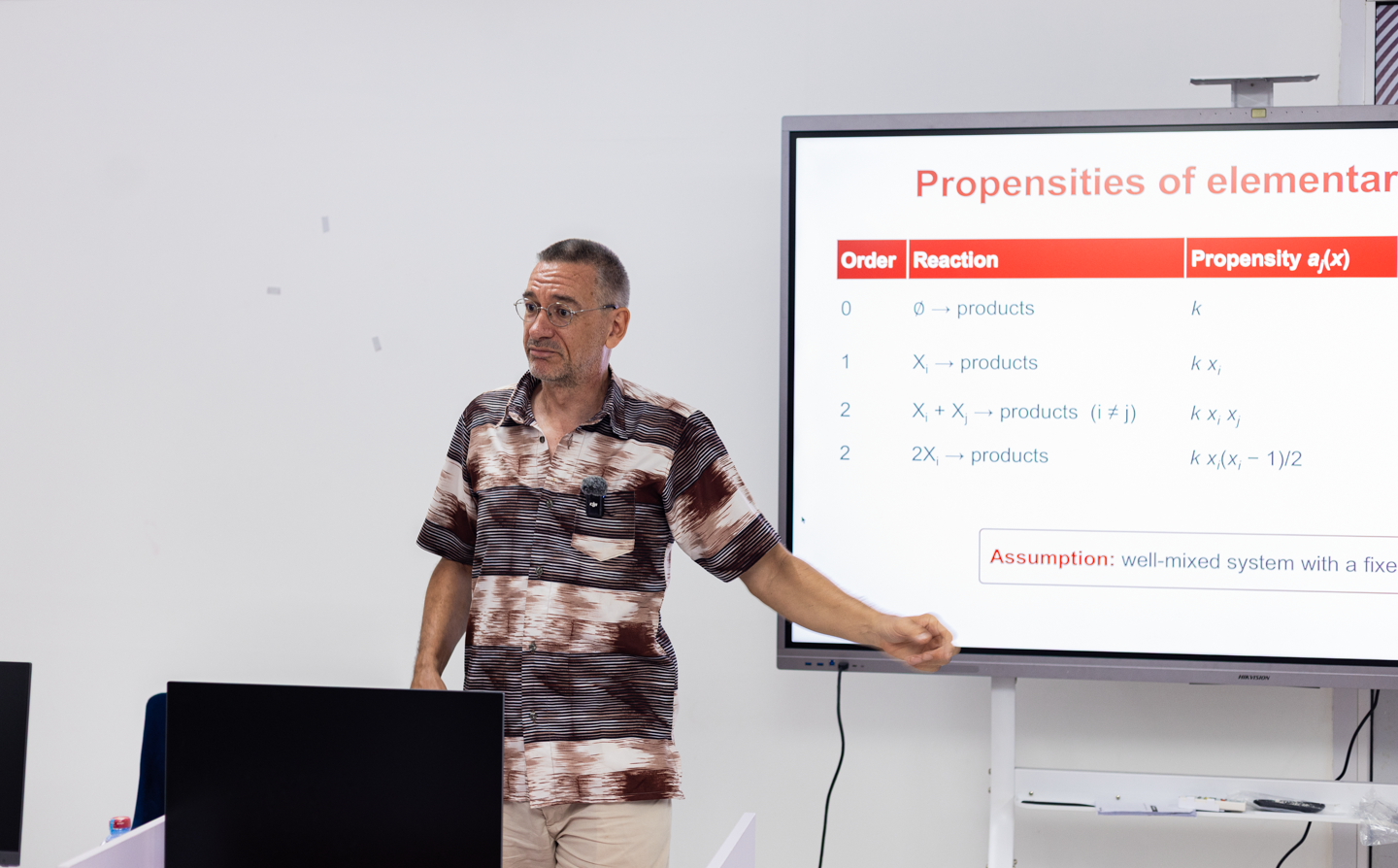
The hands-on sessions were a particular highlight, with participants demonstrating considerable enthusiasm for the practical exercises and continued engagement with their Python notebooks beyond scheduled session hours. This response highlighted the value of practical, skills-based training in helping researchers integrate mathematical approaches into their respective areas of research.
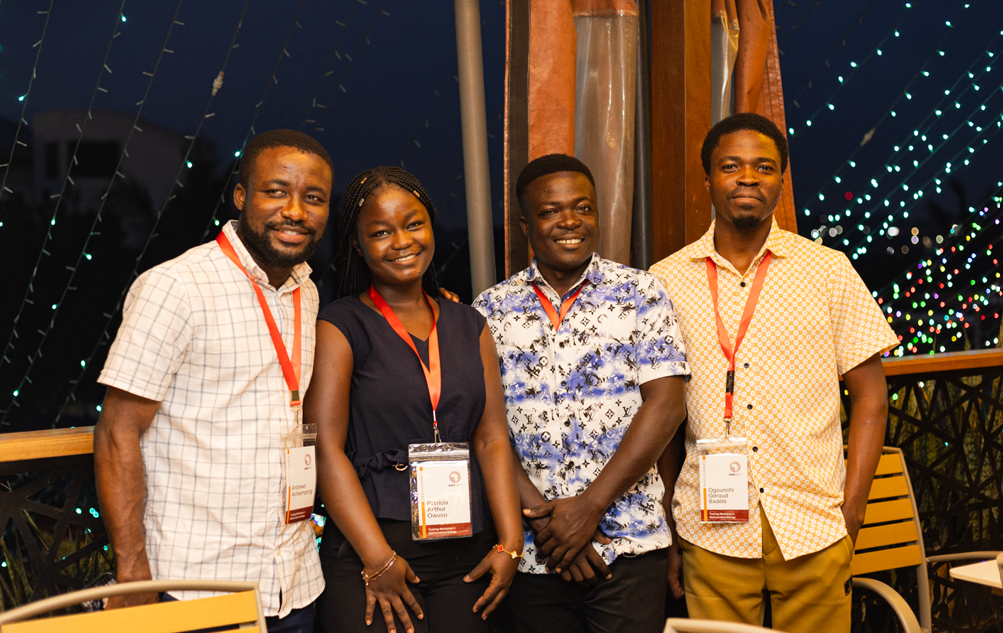
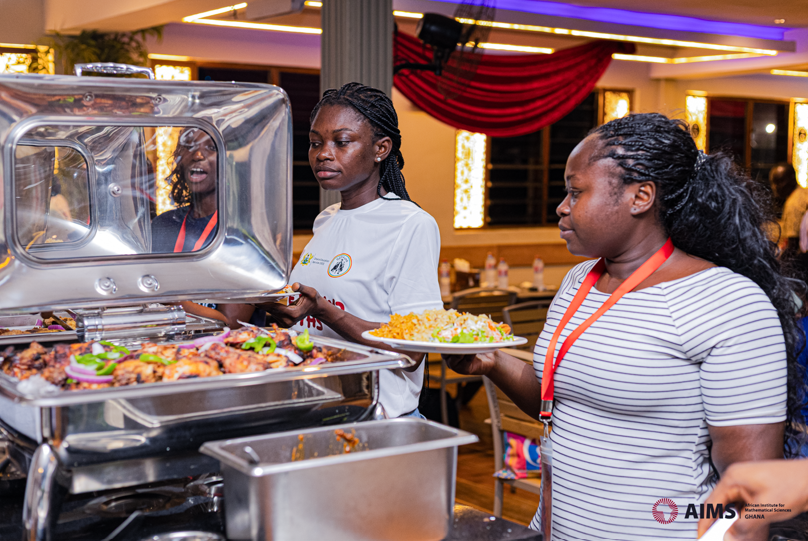
Beyond the academic programme, a networking dinner provided an opportunity for participants to connect in a more informal setting. The gathering encouraged professional networking and cultural exchange, while offering international participants an introduction to Ghanaian cuisine.
The 2026 workshop demonstrated the potential of combining mathematical modelling, computational tools and expertise from the life sciences to strengthen research approaches to complex biological and health challenges.
 English