
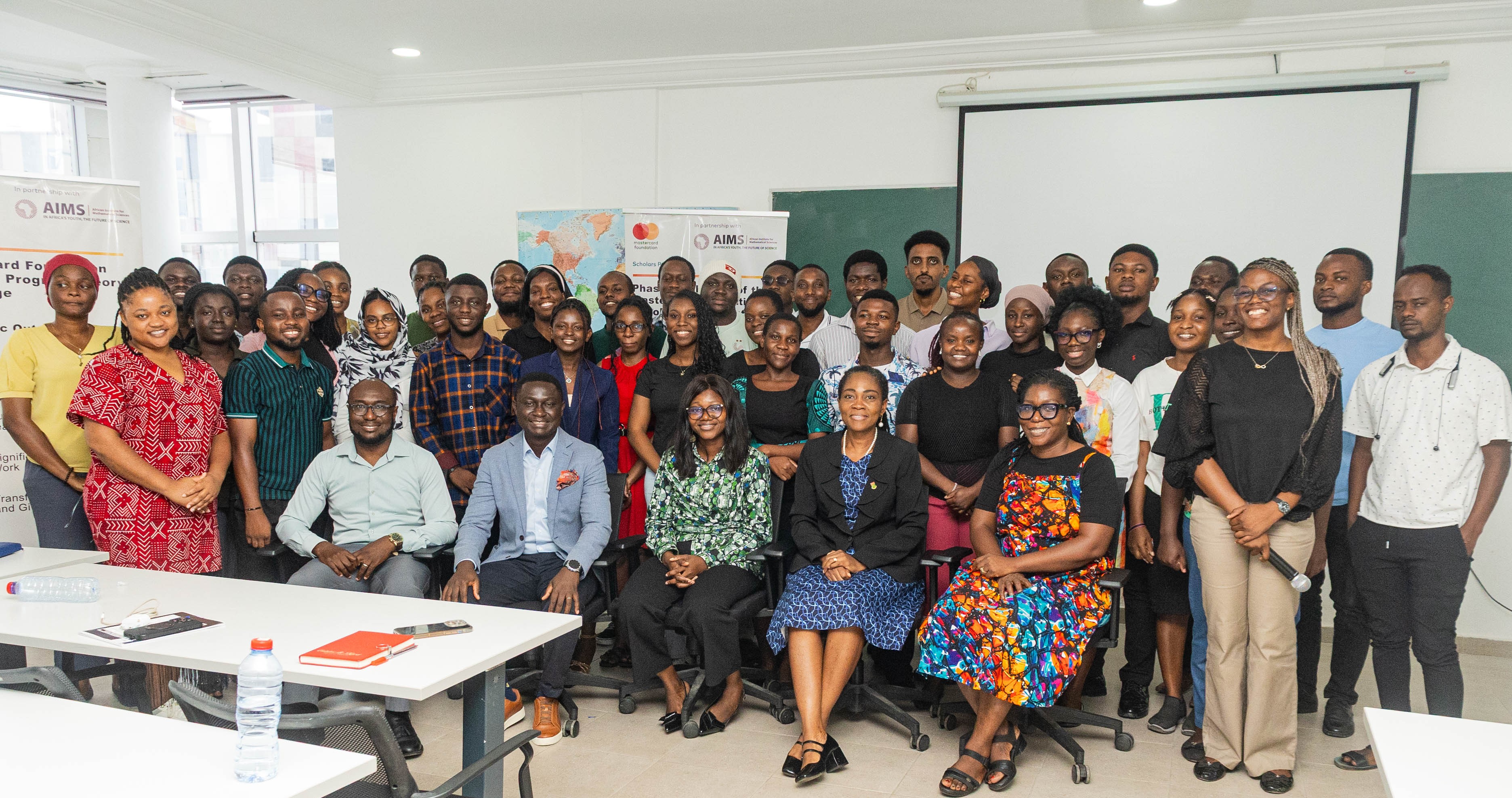
Being a Mastercard Foundation Scholar means more than achieving academic excellence; it also involves developing the skills and values required to become a future leader. At AIMS Ghana, this belief informs the approach to scholar development and underpins the Transformative Leadership Training Programme hosted by the Mastercard Foundation Scholars. The programme was held on 3 and 4 November 2026 under the theme “Beyond the Equation: Financial and Legal Literacy for Innovation and Impact.”
In his opening remarks, Mr John Appiah, Senior Manager, Communications for the AIMS Network, posed a question to the scholars: “Do you want to be rich?” The question elicited laughter and lively responses, setting an engaging and interactive tone for the programme. However, it also introduced the central theme of the discussions that followed. Building on this opening, Maxima Danzie, Student Representative for the Mastercard Foundation Scholars, introduced the two speakers, Madam Doris Ahiati and Mr Emmanuel Anni Acquah.
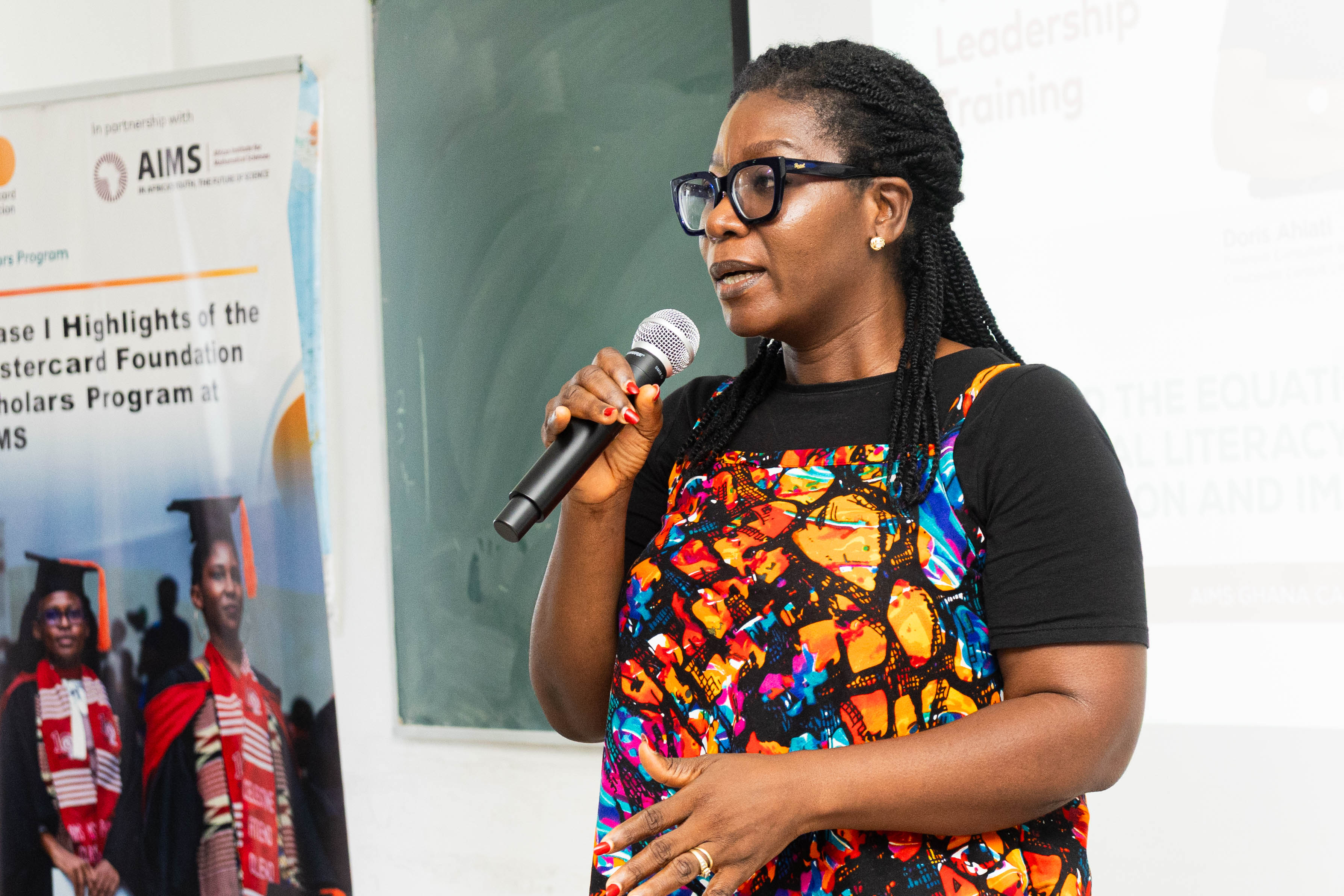
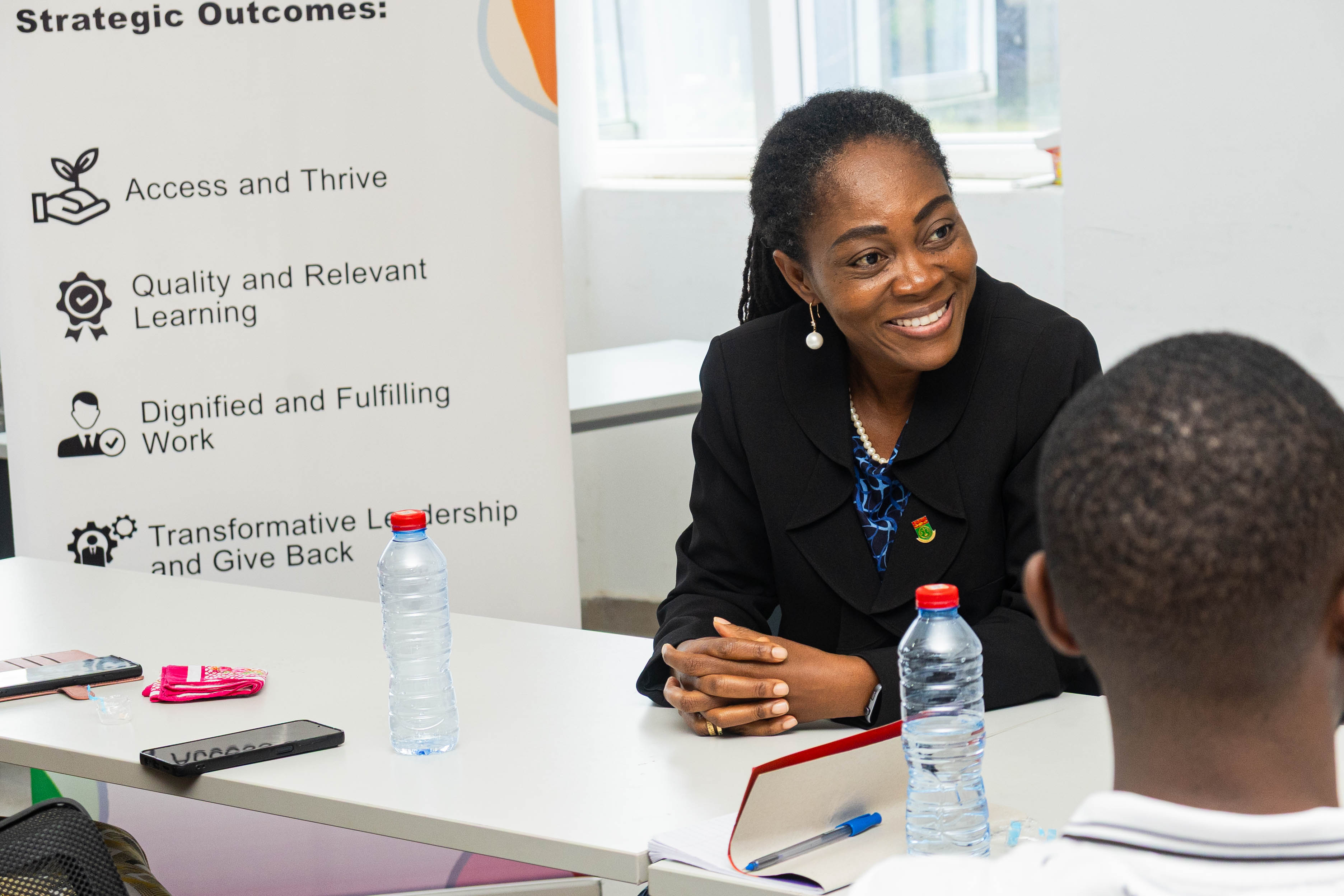
Madam Doris opened the session by engaging participants with questions on what it means to be rich. She went on to clarify that wealth depends on how financial figures are interpreted and introduced two approaches to understanding financial numbers: the scoreboard approach and the leadership approach. While the scoreboard approach focuses on the figures themselves, the leadership approach requires a deeper examination of the questions behind them. These include: Where did the increase in revenue come from? What did it cost to achieve it? An effective leader considers the implications that figures may conceal rather than simply celebrating an increase. This is what it means to read numbers as stories.
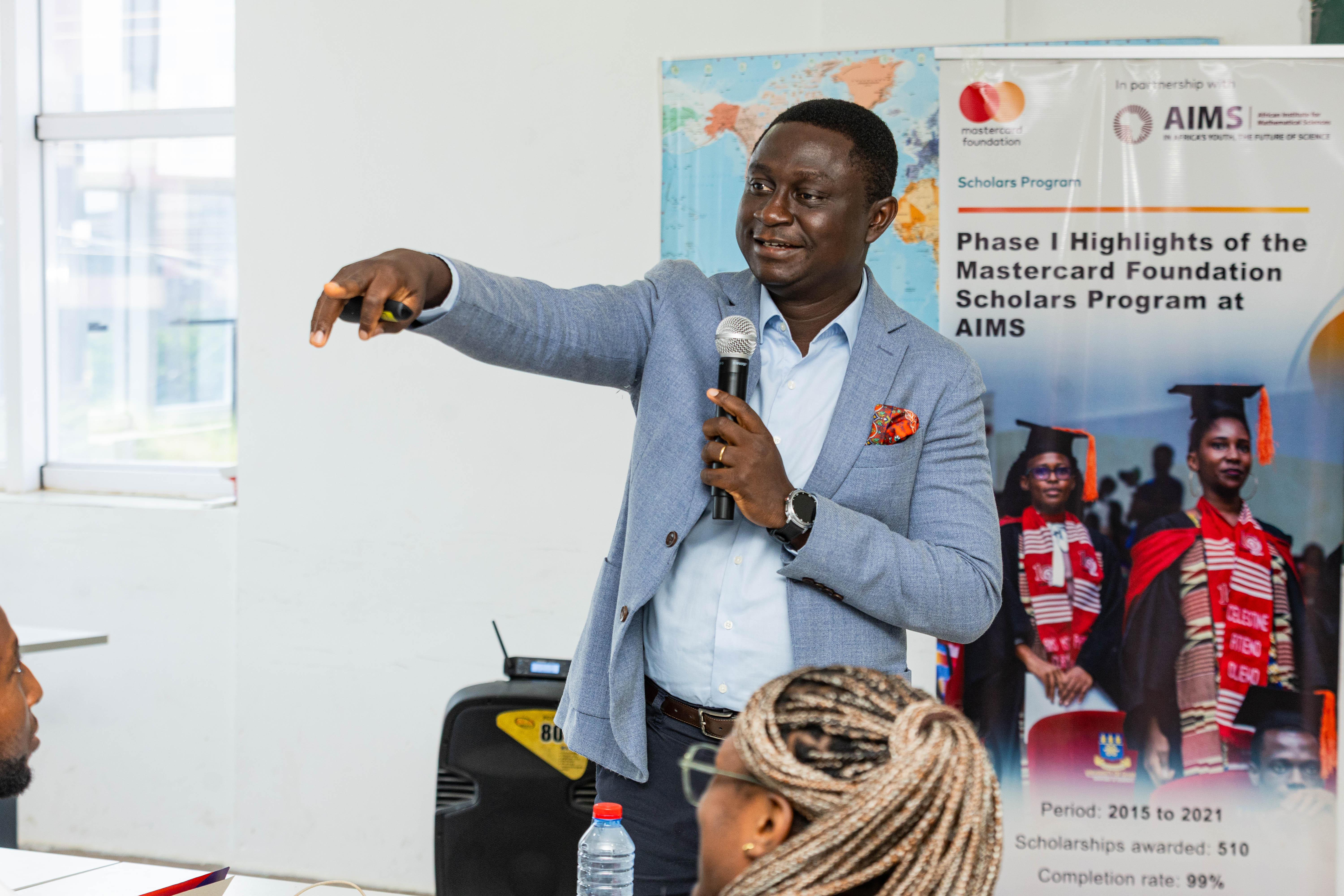
The scholars went on to explore a different perspective through Mr Emmanuel Anni Acquah’s presentation on game theory. In this framework, every individual is a player and every decision produces a payoff. Each player seeks to achieve the best possible outcome based on the information available. However, every game operates within a set of rules. Mr Acquah emphasised that, in financial decision-making, the absence of clear personal rules can expose individuals to various risks, including allowing others to influence how their financial resources are spent.
This underscores the importance of the decisions we make today, as they have implications for our future well-being. Establishing personal financial rules is an important part of this process, particularly those that enable individual decisions to create opportunities not only for oneself but also for others. Mr Acquah concluded with four key principles for anyone seeking to build wealth: pay yourself first; start early to maximise the benefits of long-term financial growth; define your own financial commitments and explore the additional opportunities your degree can offer.
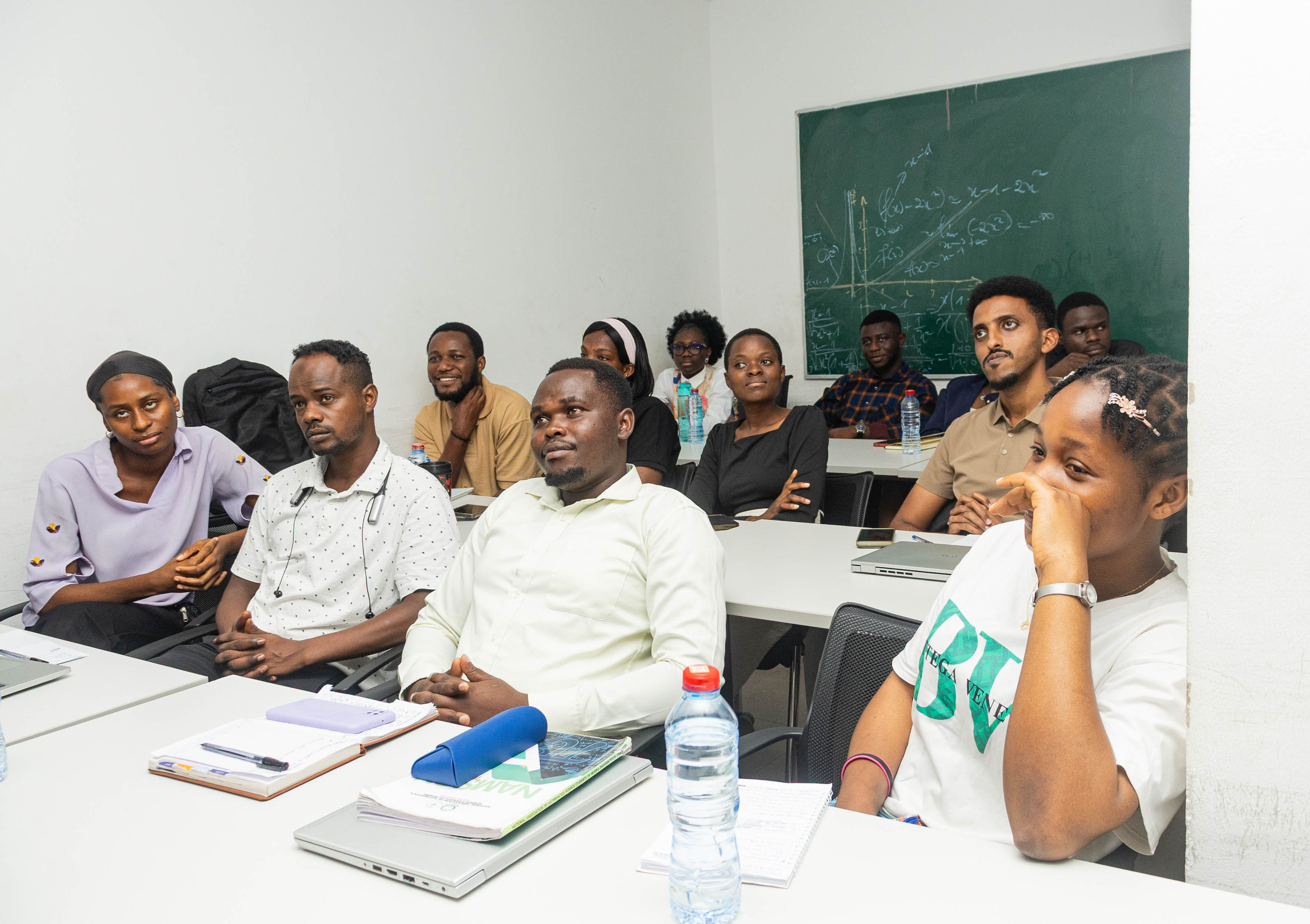
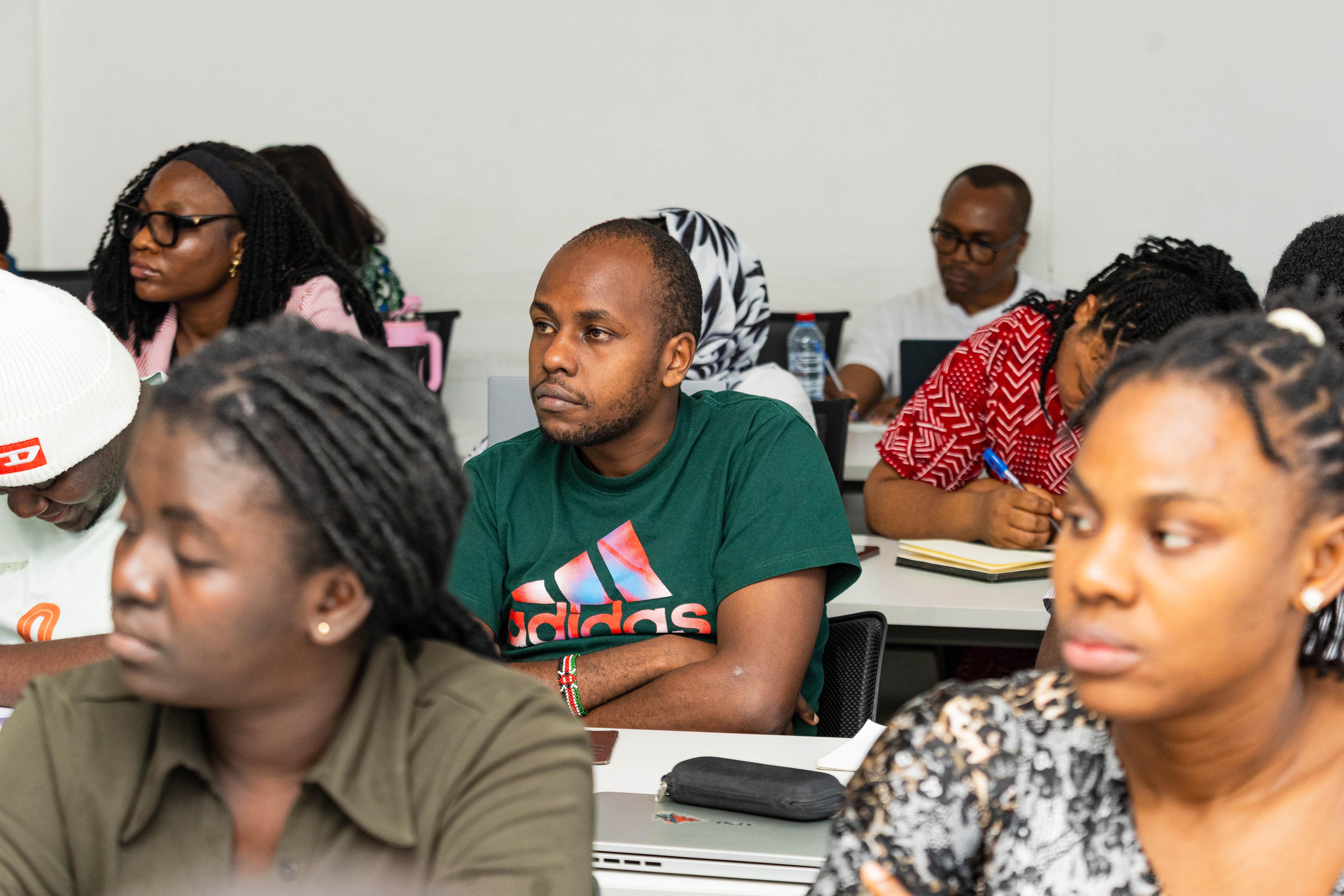
Both speakers emphasised that there is no single, straightforward path to wealth creation; rather, understanding key financial concepts and making deliberate decisions are essential to building financial capacity and achieving long-term financial well-being.
Indeed, financial resources alone are not sufficient to build a thriving society; broader conditions, including peace and justice, are equally important. On 4 November 2026, the Transformative Leadership Training Programme continued with its second session, shifting the focus from financial literacy to legal literacy. The session was facilitated by Grace Delali Tali, who began by introducing the concept of peace. She explained that peace has four dimensions: personal peace, which refers to the sense of calm within an individual; interpersonal peace, which is reflected in relationships between people; social peace, which sustains harmony within communities; and global peace, which extends across nations. Each dimension is important and can be disrupted.
What happens when peace is disrupted? This is where justice becomes essential. According to Madam Grace, justice serves as an instrument for restoring peace. She emphasised that fairness requires that no individual be judged without first being given the opportunity to present their side. Fairness, however, extends beyond the courtroom, as its implications are felt across society. Without peace, education and economic activities cannot thrive. Schools may be disrupted, businesses may struggle and opportunities may be lost.
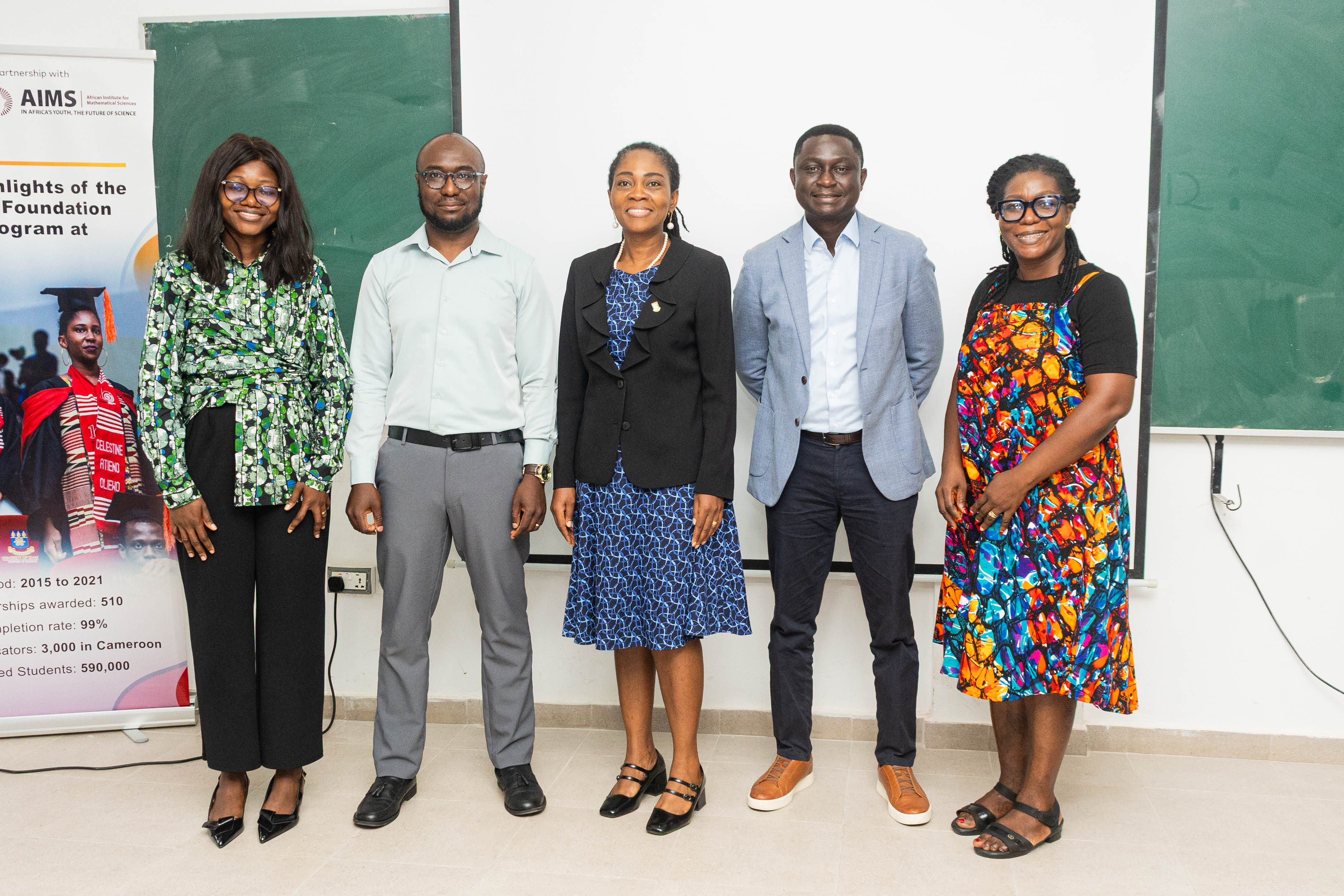
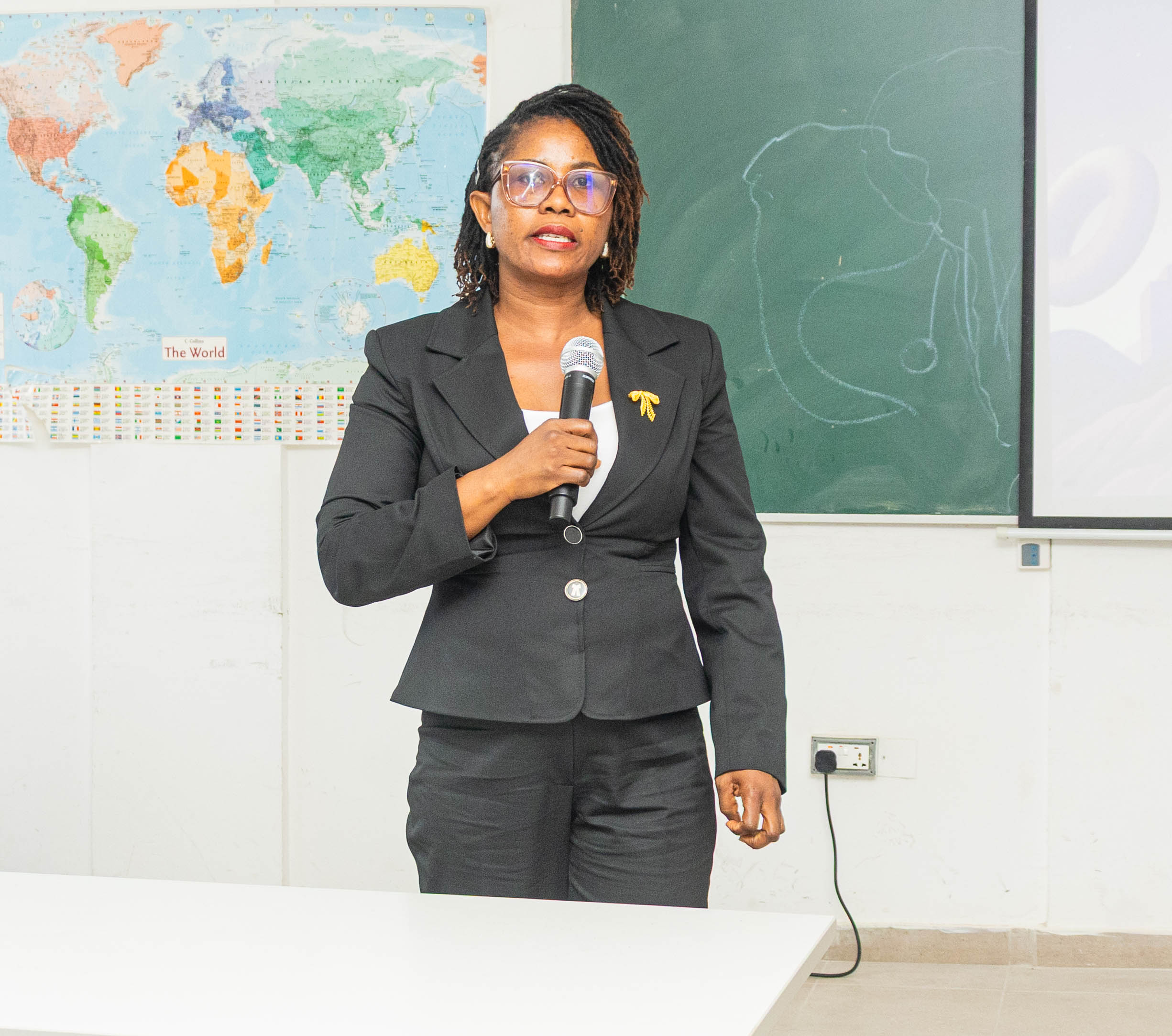
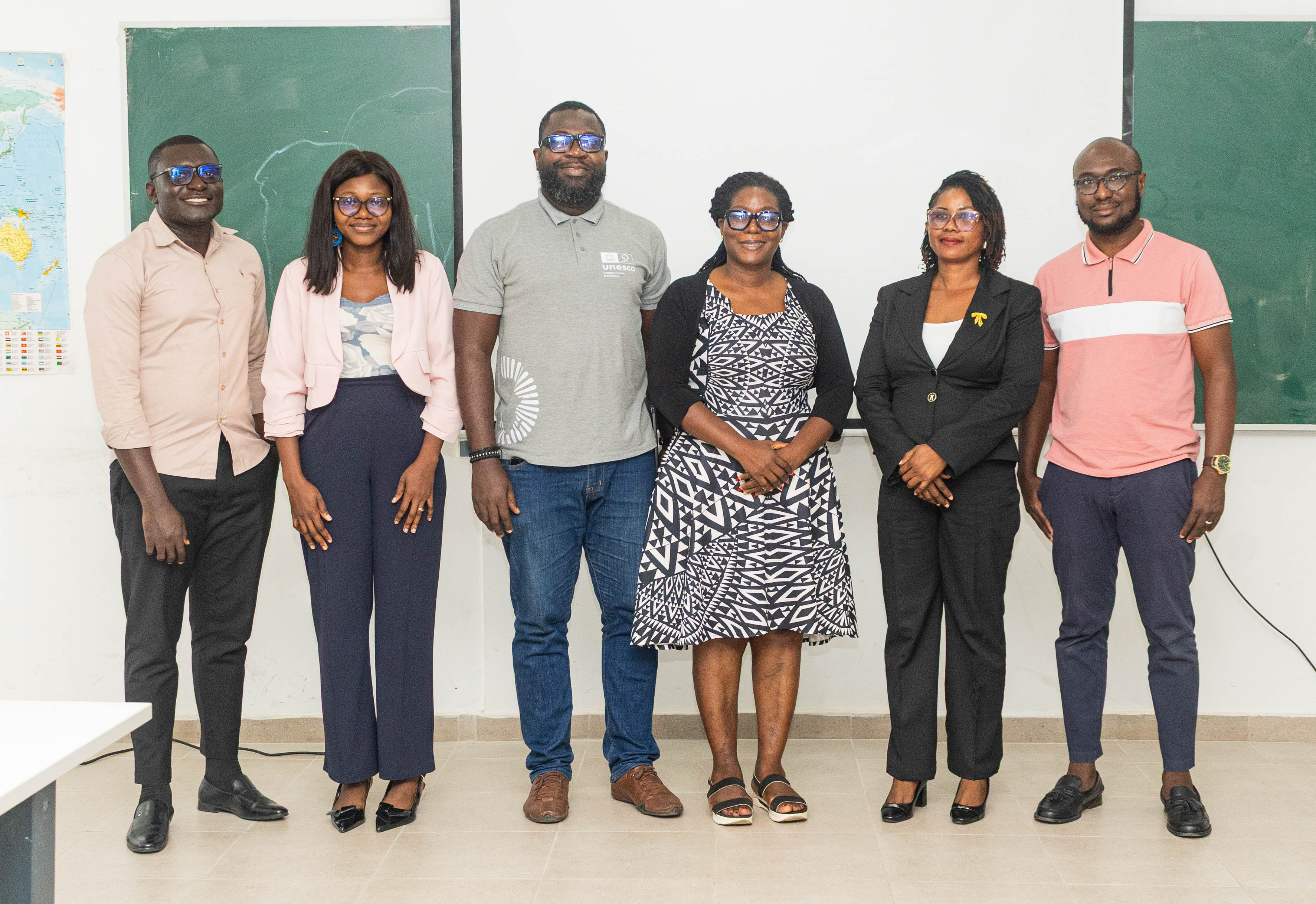
As Mastercard Foundation Scholars, they have a responsibility to contribute to peacebuilding and the promotion of fairness within their communities thus contributing to socio-economic development.
Ultimately, the Transformative Leadership Training Programme reinforced a lesson that extends beyond any single equation. Effective leadership requires the ability to interpret financial information thoughtfully, make informed decisions and uphold the principles of peace and fairness that enable individuals and communities to prosper. The scholars concluded the programme with practical insights into wealth creation and a renewed appreciation of their responsibility to help build communities in which sustainable prosperity can be achieved.
 English